

| 일 | 월 | 화 | 수 | 목 | 금 | 토 |
|---|---|---|---|---|---|---|
| 1 | 2 | 3 | 4 | |||
| 5 | 6 | 7 | 8 | 9 | 10 | 11 |
| 12 | 13 | 14 | 15 | 16 | 17 | 18 |
| 19 | 20 | 21 | 22 | 23 | 24 | 25 |
| 26 | 27 | 28 | 29 | 30 | 31 |
- 플라즈마살균#종자 플라즈마#신발플라즈마살균#음식물 플라즈마살균
- #스마트팜#플라즈마스마트팜#양액플라즈마#플라즈마활성수#플라즈마살균#수경재배#식물공장#수직재배#플라즈마살균#플라즈마기술#플라즈마활성수
- 쿨란트시스템
- #스마트팜 #물관리 #농업기술 #점적관수 #미래농업 #애그리테크 #지속가능한농업
- Digtal Transfomation #AI 시대 #감성
- #과수생애주기#농작물 과수
- #농업기술#농작물 재배력#농업#스마트팜#플라즈마농업#비료#영양제#작물영양제#식물활성제#보리재배력
- #플라즈마 실험장치 #플라즈마실험장치 #실험용플라즈마장치 #플라즈마표면처리장치
- 플라즈마살균수
- #대기압플라즈마#플라스마#플라즈마코팅#플라즈마발생기#프라즈마#플라즈마장비#진공플라즈마#화염플라즈마#PLASMA #상압플라즈마#플라즈마클리너#광플라즈마#플라즈마세정#저온플라즈마#AP플
- 플라즈마표면처리#전선플라즈마표면처리
- #플라즈마표면처리#플라즈마기술#대기압플라즈마#플라즈마장치#플라즈마장치#플라즈마업체#상압플라즈마#코로나처리기#플라즈마처리 #플라즈마처리장치#오존발생기#수처리플라즈마#플라즈
- #플라즈마표면처리#플라즈마기술#대기압플라즈마#플라즈마장치#플라즈마장치#플라즈마업체#상압플라즈마#코로나처리기 #플라즈마처리장치 www.plasmakorea.com
- 바이포플라즈마
- #plasma surface treatment #plasma technology #atmospheric pressure plasma #plasma deviceatmospheric pressure plasma #corona treatment device #plasma treatment #plasma treatment device #ozone generator #water treatment plasma #plasma power supply https://p
- 플라즈마장치
- 농업학습#농사연구소
- #스마트팜#플라즈마스마트팜#양액플라즈마#플라즈마활성수#플라즈마살균#수경재배#식물공장#수직재배#아쿠아포닉스 https:///www.plasmakorea.com
- 고냉지채소#고냉지배추
- #플라즈마처리장치#악취제거플라즈마#냄새제거 플라즈마#수질개선 플라즈마#오존발생기#수처리플라즈마#플라즈마전원장치
- #플라즈마장치#플라즈마기술#플라즈마표면처리장치#플라즈마개질#플라즈마회사#플라스마#plasma#코로나처리
- #플라즈마표면처리#플라즈마기술#대기압플라즈마#플라즈마장치#플라즈마장치#플라즈마업체#상압플라즈마#코로나처리기#플라즈마#플라즈마합지기#플라즈마전문회사
- 양액통#양액혼합비율
- #플라즈마장치 #플라즈마표면처리
- #플라즈마표면처리#플라즈마표면개질#플라즈마장치#플라즈마장비#대기압플라즈마#플라즈마업체#코로나처리#플라즈마장비제작업체#플라즈마#상압플라즈마 #플라즈마살균#플라즈마수리#외국
- #플라즈마표면처리#플라즈마업체#플라즈마장치
- #플라즈마 표면처리 #플라즈마표면개질#플라즈마장치#프라즈마회사 #플라즈마업체#플라즈마표면개질#프라즈마 발생장치#프라즈마살균#프라즈마장치 수리#프라즈마장비#프라즈마실험장치#프
- #스마트팜살균시스템#플라즈마농업#플라즈마#분무기#포그시스템#연막기#연무기#악취제거플라즈마#냄새제거 플라즈마#시설하우스개폐기#돌돌이#레일운반카#오존발생기
- #플라즈마 살균 #농산물 플라즈마처리#식자재 플라즈마살균#축산물 플라즈마처리#음식물 플라즈마처리#저장창고 플라즈마처리#플라즈마멸균#바이오 플라즈마처리#의료용 플라즈마 살균장치
- 식물#공장#식물어원
- Today
- Total
철학하는 농업컨설턴트
Introduction to Plasma Technology in Agriculture 본문
Introduction to Plasma Technology in Agriculture
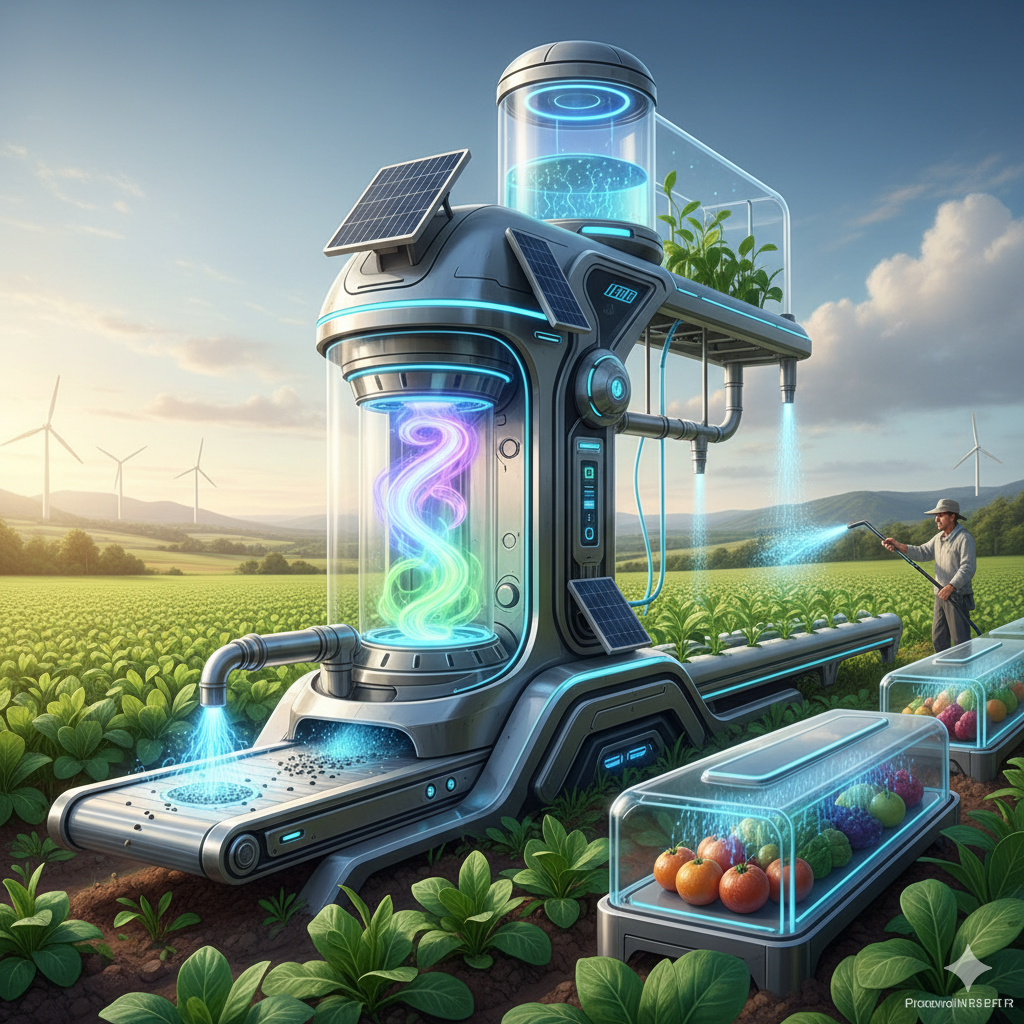
Plasma technology, often referred to as the fourth state of matter, is emerging as a game-changer in modern agriculture. This innovative, eco-friendly approach utilizes ionized gas to generate a mixture of reactive species, charged particles, and electromagnetic fields, offering sustainable alternatives to traditional chemical-intensive practices. Particularly, Non-Thermal Plasma (NTP), or cold plasma, is gaining traction as it can be applied to sensitive biological materials like seeds and plants without causing thermal damage.
Key Applications and Benefits
Plasma technology offers a diverse range of applications across the agricultural value chain, promising enhanced crop yields and reduced environmental impact.
1. Enhanced Seed Treatment
Improved Germination and Vigor: Plasma treatment can subtly modify the surface structure of seeds, breaking their **dormancy** and enhancing their **hydrophilicity** (water absorption capacity). This leads to faster, more uniform germination and the development of stronger, more resilient seedlings.
Decontamination: The reactive species generated by plasma, such as reactive oxygen and nitrogen species (RONS), act as powerful, chemical-free disinfectants. This allows for the effective sterilization of seeds, eliminating surface pathogens and reducing the reliance on chemical fungicides.
2. Plasma-Activated Water (PAW)
Natural Fertilizer and Growth Promoter: When water is exposed to plasma, it becomes Plasma-Activated Water (PAW), rich in reactive nitrogen species (RNS) like nitrates and nitrites. These compounds function as a natural, highly efficient, and residue-free liquid fertilizer, promoting robust plant growth and root development.
Pathogen Control and Irrigation: PAW's antimicrobial properties make it effective for controlling waterborne pathogens in recirculating hydroponic and soilless cultivation systems, contributing to better plant health and optimizing irrigation practices.
3. Pest and Disease Management
Eco-friendly Protection: The direct application of plasma or the use of PAW can help control plant diseases and pests. The treatment induces defense responses in plants, increasing their systemic resistance to biotic stress while also directly inactivating pathogenic microorganisms on the plant surface. This serves as a sustainable alternative to conventional pesticides.
4. Post-Harvest Preservation
Extending Shelf Life:Plasma technology can be used post-harvest for the surface disinfection of fruits, vegetables, and stored grains. This process effectively reduces microbial spoilage without leaving chemical residues, thus prolonging the freshness and storage life of agricultural products.
Conclusion
Plasma technology represents a significant step toward **sustainable and circular agricultural systems**. By improving seed quality, providing natural fertilization, and offering chemical-free pest and disease control, it has the potential to boost food production, minimize environmental pollution, and enhance the overall resilience and quality of crops. As research continues to advance, scalable and cost-effective plasma devices are expected to become a cornerstone of future eco-friendly farming practices.
'스마트팜이야기' 카테고리의 다른 글
| 농업용 물 살균 ,플라즈마 기술 (1) | 2026.05.10 |
|---|---|
| 농업 학습 모임 (4) | 2026.05.03 |
| 스마트팜 폐양액, 플라즈마 살균 (4) | 2025.08.11 |
| 스마트팜 살균장치 와 플라즈마살균수 소개 (0) | 2025.03.24 |
| 와사비와 전기 전도도 (0) | 2025.03.22 |


