

| 일 | 월 | 화 | 수 | 목 | 금 | 토 |
|---|---|---|---|---|---|---|
| 1 | ||||||
| 2 | 3 | 4 | 5 | 6 | 7 | 8 |
| 9 | 10 | 11 | 12 | 13 | 14 | 15 |
| 16 | 17 | 18 | 19 | 20 | 21 | 22 |
| 23 | 24 | 25 | 26 | 27 | 28 | 29 |
| 30 | 31 |
- 플라즈마활성수#플라즈마살균수
- #플라즈마표면처리#플라즈마업체#플라즈마장치
- 플라즈마살균수
- #대기압플라즈마#플라스마#플라즈마코팅#플라즈마발생기#프라즈마#플라즈마장비#진공플라즈마#화염플라즈마#PLASMA #상압플라즈마#플라즈마클리너#광플라즈마#플라즈마세정#저온플라즈마#AP플
- #스마트팜#플라즈마스마트팜#양액플라즈마#플라즈마활성수#플라즈마살균#수경재배#식물공장#수직재배#아쿠아포닉스 https:///www.plasmakorea.com
- #플라즈마표면처리#플라즈마표면개질#플라즈마장치#플라즈마장비#대기압플라즈마#플라즈마업체#코로나처리#플라즈마장비제작업체#플라즈마#상압플라즈마 #플라즈마살균#플라즈마수리#외국
- #플라즈마 살균 #농산물 플라즈마처리#식자재 플라즈마살균#축산물 플라즈마처리#음식물 플라즈마처리#저장창고 플라즈마처리#플라즈마멸균#바이오 플라즈마처리#의료용 플라즈마 살균장치
- 식물#공장#식물어원
- 고냉지채소#고냉지배추
- 악취제거플라즈마
- Digtal Transfomation #AI 시대 #감성
- #과수생애주기#농작물 과수
- 플라즈마표면처리#전선플라즈마표면처리
- #plasma surface treatment #plasma technology #atmospheric pressure plasma #plasma deviceatmospheric pressure plasma #corona treatment device #plasma treatment #plasma treatment device #ozone generator #water treatment plasma #plasma power supply https://p
- #플라즈마표면처리#플라즈마기술#대기압플라즈마#플라즈마장치#플라즈마장치#플라즈마업체#상압플라즈마#코로나처리기 #플라즈마처리장치 www.plasmakorea.com
- 물살균#살균수#플라즈마활성수
- #플라즈마표면처리#플라즈마기술#대기압플라즈마#플라즈마장치#플라즈마장치#플라즈마업체#상압플라즈마#코로나처리기#플라즈마처리 #플라즈마처리장치#오존발생기#수처리플라즈마#플라즈
- #플라즈마장치#플라즈마기술#플라즈마표면처리장치#플라즈마개질#플라즈마회사#플라스마#plasma#코로나처리
- #스마트팜살균시스템#플라즈마농업#플라즈마#분무기#포그시스템#연막기#연무기#악취제거플라즈마#냄새제거 플라즈마#시설하우스개폐기#돌돌이#레일운반카#오존발생기
- #플라즈마 실험장치 #플라즈마실험장치 #실험용플라즈마장치 #플라즈마표면처리장치
- #스마트팜#플라즈마스마트팜#양액플라즈마#플라즈마활성수#플라즈마살균#수경재배#식물공장#수직재배#플라즈마살균#플라즈마기술#플라즈마활성수
- #농업기술#농작물 재배력#농업#스마트팜#플라즈마농업#비료#영양제#작물영양제#식물활성제#보리재배력
- 쿨란트시스템
- #스마트팜 #물관리 #농업기술 #점적관수 #미래농업 #애그리테크 #지속가능한농업
- 농업학습#농사연구소
- #플라즈마표면처리#플라즈마기술#대기압플라즈마#플라즈마장치#플라즈마장치#플라즈마업체#상압플라즈마#코로나처리기#플라즈마#플라즈마합지기#플라즈마전문회사
- 플라즈마장치
- 양액통#양액혼합비율
- #플라즈마장치 #플라즈마표면처리
- #플라즈마 표면처리 #플라즈마표면개질#플라즈마장치#프라즈마회사 #플라즈마업체#플라즈마표면개질#프라즈마 발생장치#프라즈마살균#프라즈마장치 수리#프라즈마장비#프라즈마실험장치#프
- Today
- Total
철학하는 농업컨설턴트
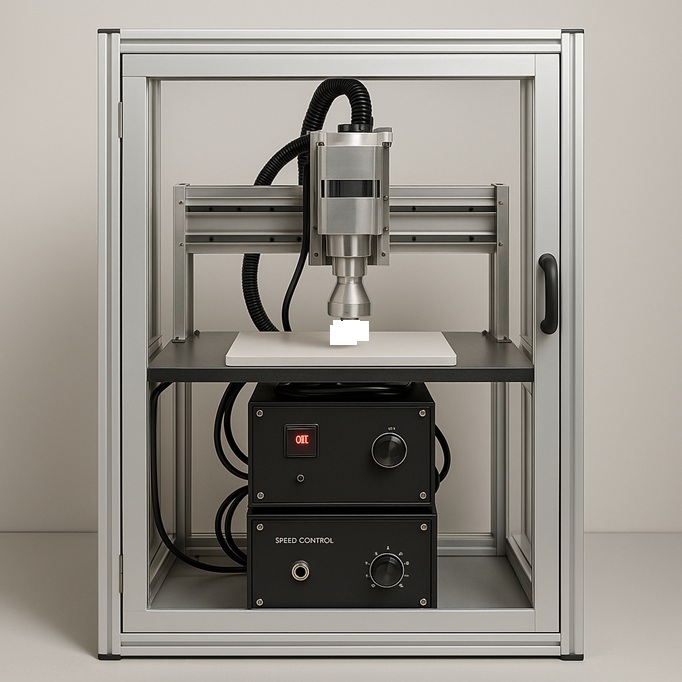
Technical Report on Burr Removal Using Plasma Equipment 본문
📘 Technical Report on Burr Removal Using Plasma Equipment
– Including Types of Plasma Systems and Burr Types –
Source referenced:
1. Introduction: The Necessity of Burr Removal
A burr is a small, unwanted protrusion generated on the edges of metal, resin, ceramic, or other materials during machining processes such as cutting, drilling, milling, punching, plasma cutting, or laser cutting. Burrs reduce assembly accuracy, lower performance, cause particle contamination, damage components, and generate safety hazards. Therefore, burr removal is essential, especially in precision industries.
Plasma deburring offers a non-contact, precise, and low-damage method, showing advantages over conventional mechanical grinding or chemical etching due to its speed, cleanliness, and easy automation.
2. Types of Burrs
Burr Type Cause Characteristics
| Mechanical Burr | Drilling, milling, lathing, punching | Sharp, hard protrusions created mechanically |
| Thermal Burr | Laser or plasma cutting | Molten metal resolidifies, containing slag/spatter |
| Rollover Burr | Shearing process | Rolled-over edge caused by compression |
| Poisson Burr | Lateral expansion under compressive load | Thin, spread-out burr |
| Micro Burr | Semiconductor, microchannel, precision machining | Very small, often invisible to the eye |
| Flash | Injection or extrusion molding | Thin overflows at mold gaps, easily removed with plasma |
3. Operating Principle of Plasma Burr Removal
Source referenced:
Plasma equipment generates high-voltage, high-frequency electrical discharge between electrodes and the workpiece, creating plasma composed of electrons, ions, radicals, and UV. These species interact with burrs as follows:
3.1 Plasma Reaction Mechanisms
- Ion/Electron Bombardment (Sputtering)
- High-energy particles collide with the burr surface → weakens bonding forces.
- Thermal Weakening
- Burrs have lower heat capacity than the bulk material.
- Plasma heats the burr → rapid brittleness → detachment.
- Chemical Decomposition (Etching)
- Activated species in O₂, Air, Ar plasma induce
oxidation, reduction, or molecular decomposition, weakening the burr.
- Activated species in O₂, Air, Ar plasma induce
- UV and Ozone Effect
- Plasma-generated UV and ozone break down organic burrs or flashes.
- Air-Blow Assisted Removal
- Detached burrs are expelled with air jets for complete removal.
4. Types of Plasma Systems for Burr Removal
Source referenced:
4.1 Atmospheric Plasma (DBD Type)
- Dielectric barrier discharge (DBD) structure using ceramic electrodes
- Low-temperature plasma suitable for metals, plastics, composite materials
- Advantages: minimal thermal damage, suitable for automated lines
4.2 Plasma Jet System
- Plasma is ejected through a nozzle
- Ideal for micro-burrs and narrow locations
- Easy integration with robotic or conveyor systems
4.3 Electro-Plasma Hybrid Deburring
- Example: Plasmotion system
- Workpiece submerged in electrolyte; burr removed through combined
plasma + electrochemical reactions - Extremely fast: a few seconds per part
- Excellent for micro-deburring and fine edges
4.4 Laser-Induced Plasma Deburring
- Laser induces localized plasma to remove micro-burrs
- Used in semiconductor channels and precision components
4.5 Thermal/Arc Plasma Slag Removal Systems
- Removes thick burrs, slag, and molten residues left after thermal cutting
- Used for heavy plate processing and structural components
5. Key Design Parameters for Plasma Deburring
Source referenced:
5.1 Electrical Parameters
- Voltage: selected based on burr size and material type
- Frequency: controls discharge stability
- Current density: must be optimized to avoid thermal damage
5.2 Mechanical Parameters
- Electrode–workpiece distance (gap): adjusted to part size and shape
- Nozzle angle & speed: tuned based on burr orientation
- Airflow: used for cooling and debris expulsion
5.3 Cooling & Safety Considerations
- Prevent overheating that could deform the material
- Air cooling or shortened processing time should be used to avoid thermal damage
6. Plasma Burr Removal Process Steps
- Burr detection (sensor or CAD-based)
- Alignment of discharge head
- Plasma discharge (bombardment, decomposition, weakening)
- Air-blow removal of detached burrs
- Inline inspection with camera/sensors
- Transfer to next process step
7. Advantages of Plasma Burr Removal
Category Benefit
| Non-contact | No mechanical stress on parts |
| Micro-burr removal | Handles burrs that conventional grinding cannot remove |
| Minimal thermal deformation | Low-temperature plasma protects the workpiece |
| High uniformity & automation | Easy integration with robots and high-speed lines |
| No reattachment | Air-blow prevents re-contamination |
| Eco-friendly | No chemicals used |
8. Application Areas
- Automotive parts (gears, valves, injectors, housings)
- Medical devices (stainless steel, titanium)
- Semiconductor microstructures and microchannels
- Aerospace components (turbine, engine components)
- Post-processing after laser/plasma cutting
- Plastic injection molding flash removal
9. Important Precautions
Source referenced:
- Excessive voltage/frequency may damage the material → optimization is required
- Use cooling air to prevent thermal deformation
- Maintain consistent discharge gap
- Choose gas types carefully to prevent oxidation or burn marks
10. Conclusion
Plasma deburring is a highly efficient, precise, and environmentally friendly process.
It provides:
- High precision,
- Automation compatibility,
- Low thermal and mechanical damage,
- Superior burr removal quality.
As micro-burr control is critical in industries such as semiconductors, medical devices, and automotive components, plasma technology is expected to expand significantly across advanced manufacturing fields.
If you’d like, I can also prepare
✔ a PPT version,
✔ a catalog-style summary, or
✔ isometric drawings of the equipment.
#SmartFarmPlasma #FarmingPlasma #HydroponicPlasma #PlasmaSterilization #SeedPlasma #ShoePlasmaSterilization #FoodPlasmaSterilization #PlasmaSterilization #PlasmaCompany #PlasmaDisinfection #PlasmaActivatedWater #PlasmaLiquidFertilizer #PlasmaSterilizedWater #PlasmaSeedGermination #OzoneSterilizedWater #NutrientSolutionManufacturer #PlasmaNutrientSolutionManufacturer #Aquaponics #AerosolFarming #PlantFarm #Greenhouse #Facilities #UrbanAgriculture #FoodWashingPlasma #FoodProcessingPlasmaSterilization #PowderedFoodPlasma
Reference, #References #PlasmaSterilizationSpecialistPlasmaLife
https:///http://www.plasmakorea.com PlasmaLife Co., Ltd. hyeonji63@gmail.com
https://chatgpt.com/g/g-67e8b0875e388191a3963ca030ede55b-sugyeongjaebaedoumi . Chatbot Assistant
Reference
https://plusji.tistory.com/
https://aitoolbox.tistory.com/
철학하는 엔지니어가 추천하는 AI 공구함
aitoolbox.tistory.com
'Plasma Product' 카테고리의 다른 글
| 플라즈마 기술을 활용한 종자 발아 및 초기 생육 촉진 (1) | 2026.08.05 |
|---|---|
| DBD Argon Gas Surface Treatment Plasma System (0) | 2025.11.28 |
| Atmospheric pressure plasma for experiments (0) | 2025.11.08 |
| plasma surface treatment technology (0) | 2025.11.05 |
| The Application of Plasma Sterilization Technology (0) | 2025.09.28 |


